
5 Must-Visit European Destinations Every Foodie Should Try
Food-focused travel isn’t really about ticking off famous dishes; it’s usually about finding those places where meals feel connected to the place itself. Europe has plenty of regions where food is woven into everyday life, and spending time in them can change how you think about eating when you get home. This list pulls together five destinations that feel especially worthwhile for travellers who enjoy slow meals, local ingredients and a bit of context behind what’s on the plate. None of them requires insider knowledge or complicated planning, and all of them are easy to explore at your own pace.
1. Mykonos – Greek Island Produce Done Simply and Well
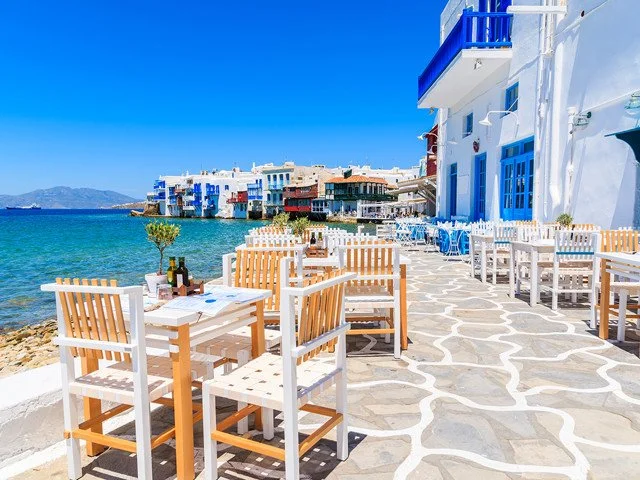
Mykonos often gets talked about for its nightlife, but food travellers usually discover a different side of the island. Away from the busiest beaches, you’ll find small tavernas that focus on produce from the surrounding islands - cheeses from Tinos, honey from local farms, and tomatoes grown in dry, rocky soil.
You’ll see grilled fish brought in earlier that day, plates of fava, and bread served warm enough that it still smells slightly yeasty. If you’re planning a broader trip and want something easier to organise, fantastic Mykonos package holidays are the perfect option. They take care of transport and accommodation, leaving you free to find your own spots to eat without trying to juggle logistics.
The island is walkable in places, especially around the old town, so you can wander until something looks good rather than sticking to recommendations. When the wind drops in the evenings, outdoor tables fill quickly, and you get that relaxed, slightly slow atmosphere that suits long meals with shared plates.
2. Sardinia – Quiet Towns, Regional Specialities and Long, Leisurely Meals
Sardinia’s inland towns serve dishes built around pork, sheep’s milk cheese, and handmade pasta shapes that vary depending on where you are. On the coast, the menus shift to bottarga, clams, and simple grilled seafood. The portions can be generous, especially at family-run trattorias, and meals often stretch over a few hours without anyone trying to speed things up.
A lot of travellers find it helpful to base themselves somewhere comfortable and explore the island from there. Choosing one of the Sardinia luxury villas dotted around the coast gives you the freedom to shop at local markets, cook if you feel like it, and build your days around food stops rather than resort schedules.
Towns like Alghero, Bosa, and Santa Teresa Gallura have great places to eat without being overwhelming, and you’ll usually get friendly, unhurried service in smaller spots. Regional wines are affordable and easy to pair with most dishes, which makes the whole experience feel relaxed and accessible.
3. San Sebastián – Pintxos Bars, Fresh Seafood and Easy Neighbourhood Eating
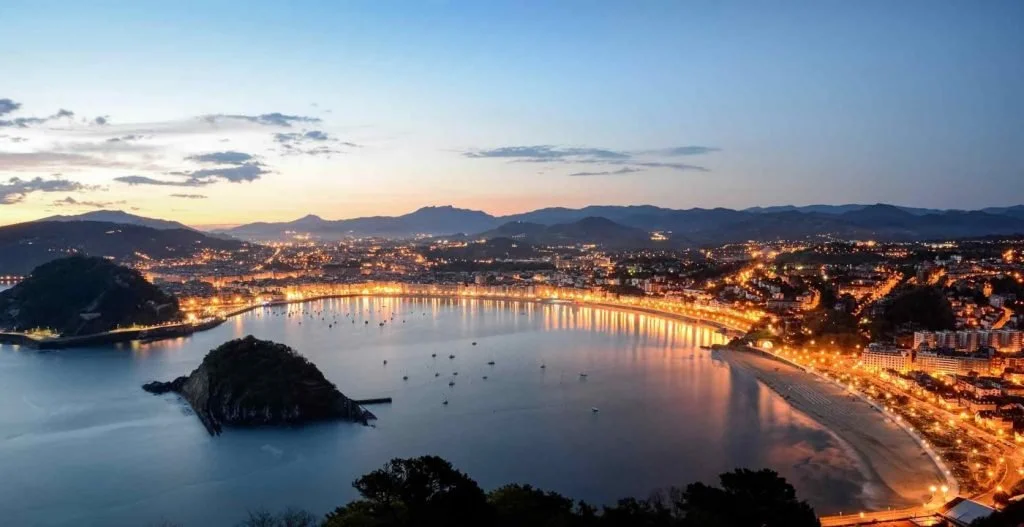
San Sebastián has a reputation as a foodie capital, but its best feature is how easy it is to eat well without researching anything. The pintxos bars in the old town and Gros neighbourhood are designed for casual grazing, one small plate here, another somewhere down the street, and it doesn’t take long to get the hang of it.
Fresh anchovies, grilled prawns, slow-cooked beef cheeks and potato tortillas all show up in reliable places, and you’ll quickly figure out which bars feel right for you. The beachfront areas fill up during sunny days, but evenings have a calm rhythm. Locals often stop at two or three spots before settling somewhere for a longer meal, and visitors slot into that routine without feeling out of place.
Seafood is the highlight, especially the turbot and hake served in simple green sauces, and the cider houses just outside the city offer a slightly rustic experience that’s worth the short drive. You don’t need reservations for most pintxos places, so it suits spontaneous travellers.
4. Porto – Comfort Food, River Views and Affordable Local Wine
Porto mixes traditional dishes like francesinha and grilled sardines with modern wine bars that serve small, thoughtful plates. Portions tend to be hearty, and prices are generally affordable, which means you can try more places without worrying about overspending.
Ribeira, the riverside district, is the most atmospheric area for a slow lunch, though it’s worth wandering into the back streets where family-owned restaurants offer quieter settings. If you enjoy seafood, look for spots grilling whole fish to order; it’s flavourful and served with delicious sides.
Port houses along the river are also interesting for tastings, and even the basic tours provide enough background to help you understand the region’s wine culture. Porto works well for travellers who like exploring on foot, dipping into cafés between viewpoints, and finding places that might not show up in guidebooks.
5. Bologna – Italy’s Food Capital with Down-to-Earth Dining
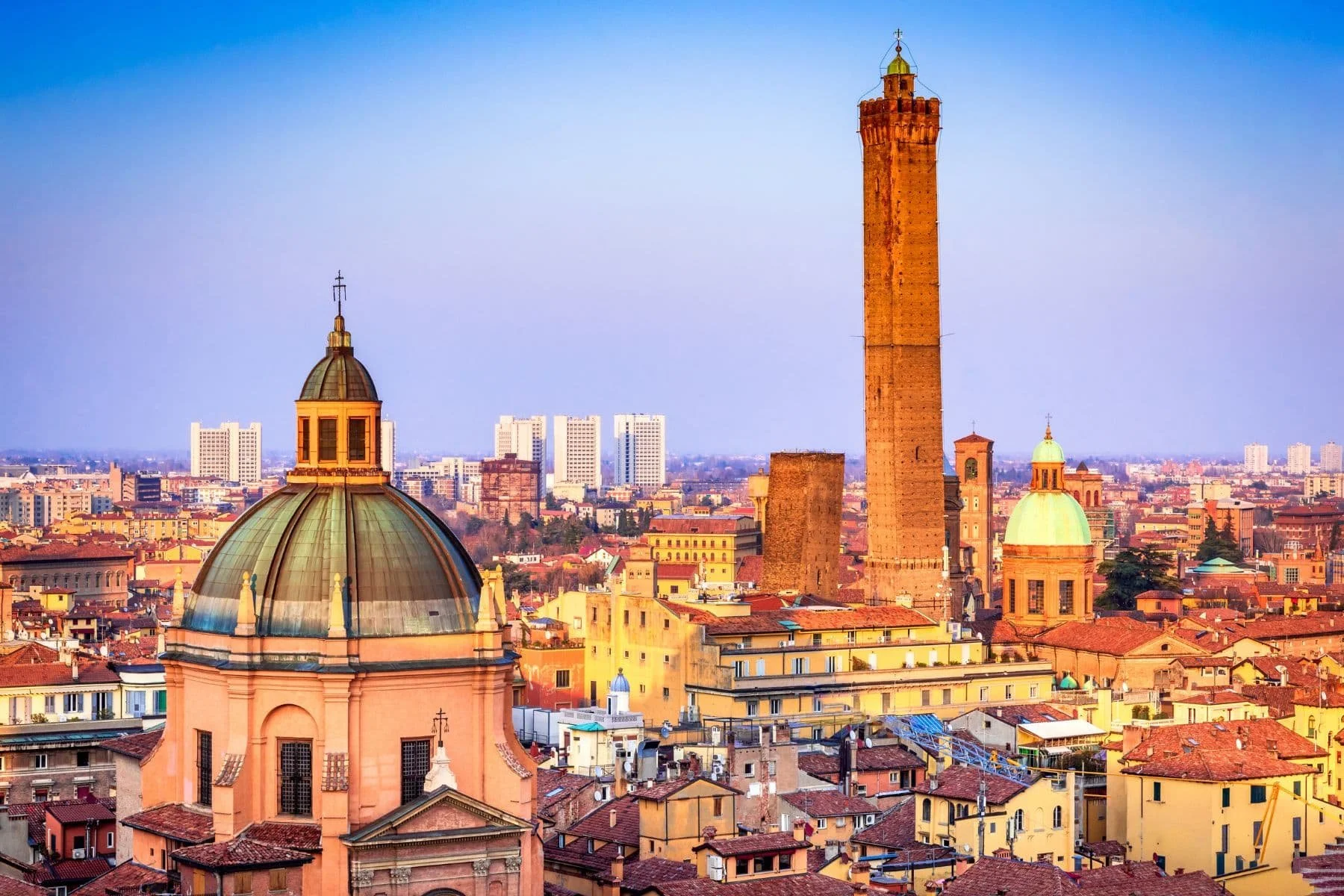
Bologna is often called the heart of Italian food culture, and once you wander through its markets, it’s easy to see why. The city’s focus is on pasta, cured meats and cheeses that have been made in the region for generations.
Tortellini in broth, lasagne with rich ragù, mortadella sliced so thin it’s almost translucent - these are the kinds of dishes you’ll see everywhere. Meals feel comforting rather than fancy, and even the popular restaurants keep things straightforward.
What makes Bologna particularly enjoyable is how the food fits into daily life. Markets are lively without being chaotic, and many locals still shop at small stalls where the sellers know their regulars.
If you take your time, you can build your own little route through bakeries, pasta shops and cafés. Day trips to Modena or Parma add even more depth to the experience, especially for travellers who want to see where some of Italy’s most famous ingredients are produced.
Ready To Explore Europe’s Foodie Capitals?
Europe has so many food-focused destinations that choosing just five feels limited, but these spots consistently offer rewarding, down-to-earth experiences. Whether you’re drawn to the relaxed tavernas in Mykonos, the slower rhythm of exploring markets in Sardinia, or the steady hum of neighbourhood dining in places like Porto and San Sebastián, each destination gives you something a little different.