
The Spectrum of the Staycation: How Contrasting Accommodation Models are Driving UK Domestic Tourism
The UK has no shortage of places to spend a weekend away, and where people stay now plays a bigger part in the experience. One trip might involve waking to red deer outside a cabin window in the Highlands. Another could begin with coffee beside a Bloomsbury garden before museums open for the day. Accommodation has become part of the attraction, not simply somewhere to sleep.
Domestic tourism reflects that variety. Short breaks now cover everything, from quiet waterways and coastal villages to busy city neighbourhoods full of history. Where people stay influences what they notice, how they spend the day, and the places they find themselves returning to before heading home.
The Scottish Highlands for True Wilderness Seekers
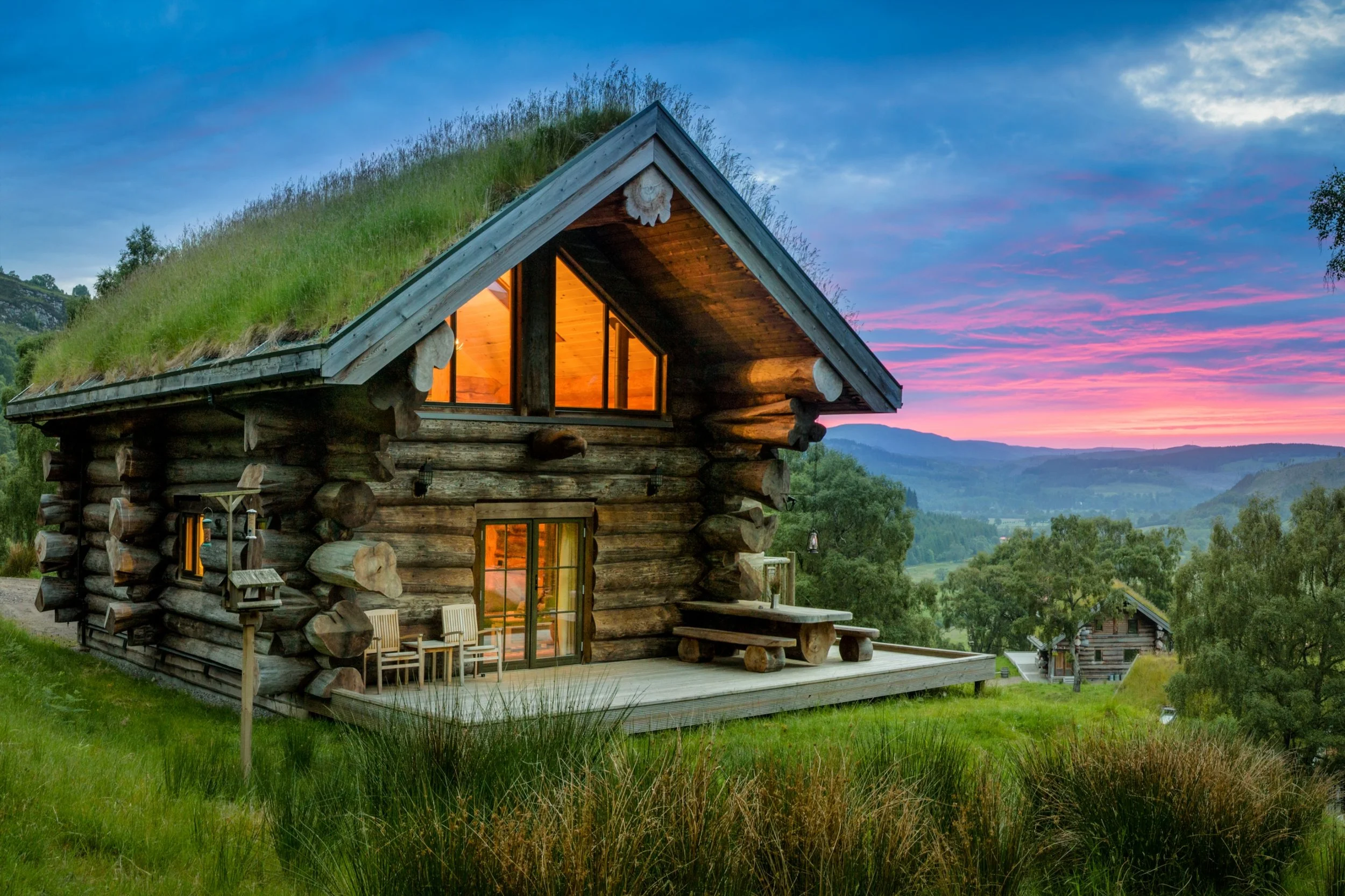
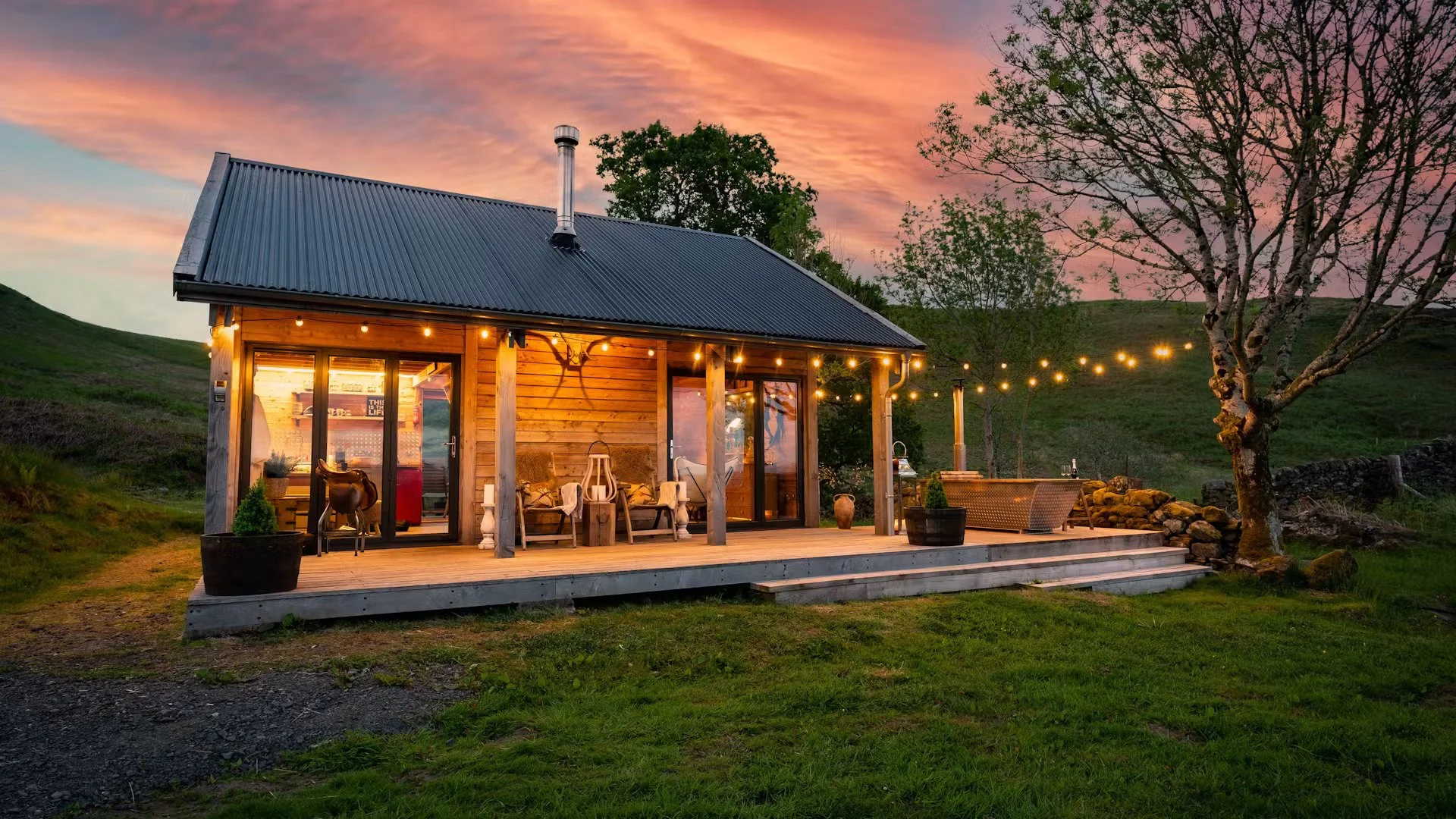
Log cabins have become one of the accommodation styles most closely linked with the Scottish Highlands. Many sit among native woodland or beside quiet lochs, where mornings begin with little more than birdsong and the occasional passing deer. Features such as wood-burning stoves, outdoor hot tubs, and covered decks suit the landscape as much as they appeal to guests.
Browsing handpicked log cabin holidays uncovers stays near Glen Affric, Loch Tay, and the Cairngorms, where walking trails and cycling routes are within easy reach. Practical touches like boot rooms, drying areas, and secure bike storage make these properties especially popular with people planning several days outdoors.
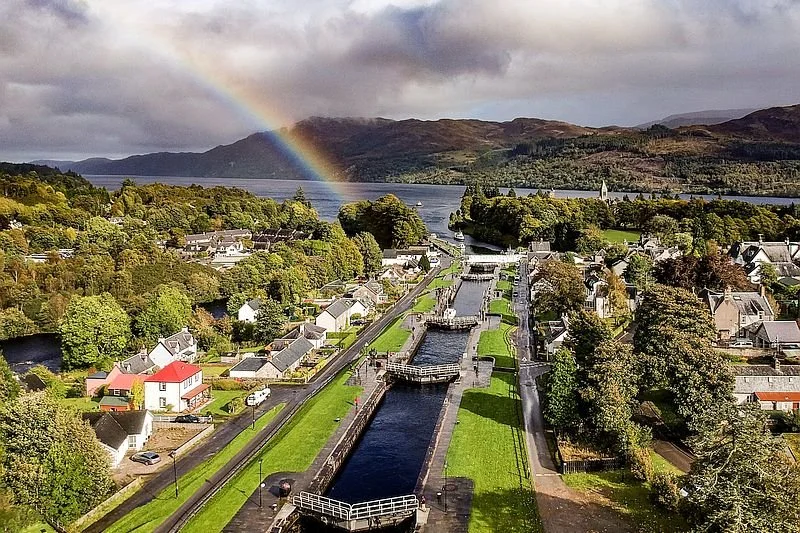
The accommodation naturally encourages visitors to spend longer in one place. A morning walk around Loch an Eilein near Aviemore can easily be followed by an afternoon watching boats pass through the Caledonian Canal locks at Fort Augustus before returning to the cabin. Around Glen Etive, the single-track road and regular passing places are simply part of everyday travel.
The Norfolk Broads for Slow Travel and Waterside Calm
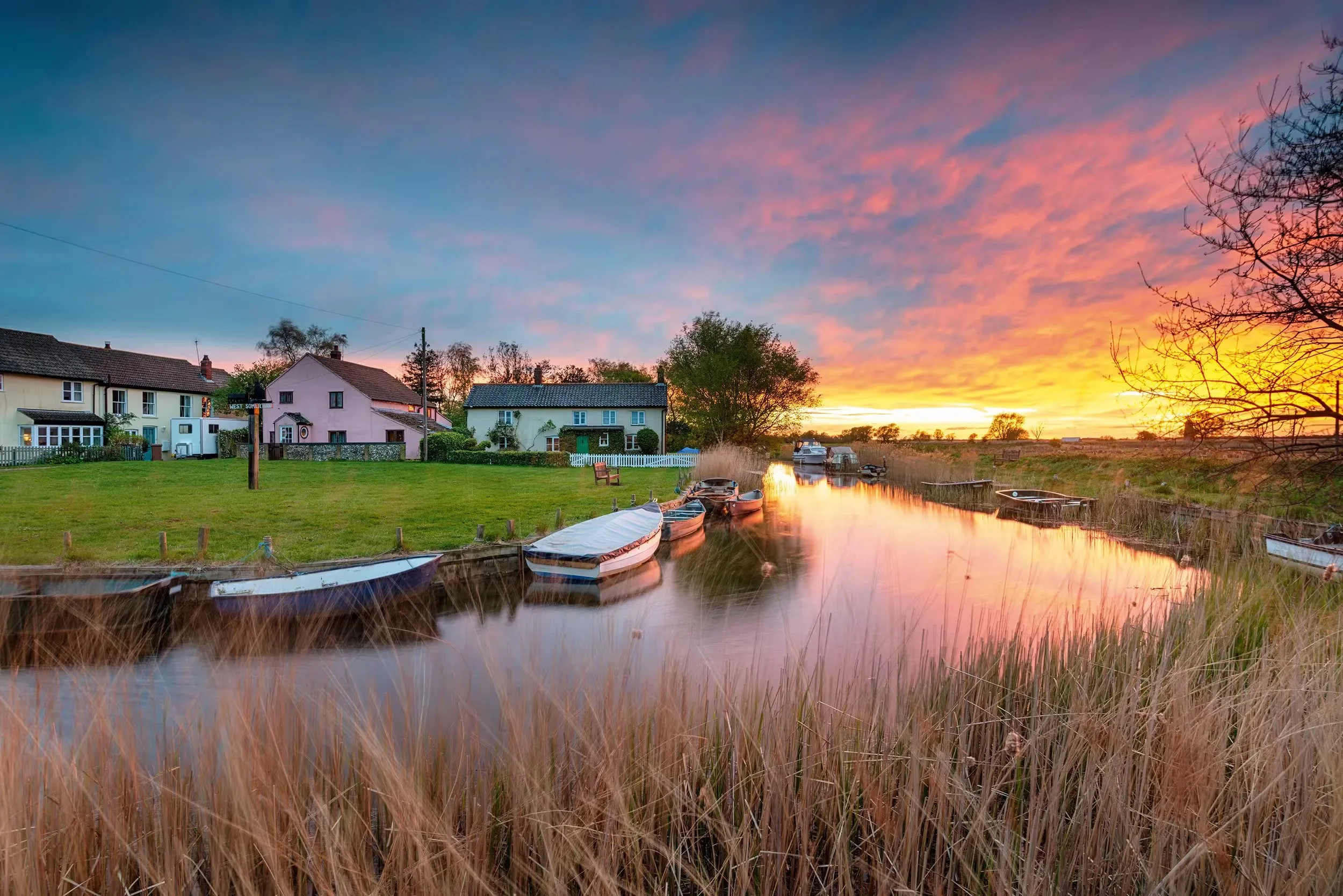
A stay on the Norfolk Broads often revolves around the water, even for people who never hire a boat. Holiday cottages, converted boathouses and lodges frequently sit just a few steps from the river, with private moorings, waterside gardens or small decks overlooking the reeds. Opening the curtains to see sailing boats drifting past becomes part of the day, especially around Horning and Wroxham.
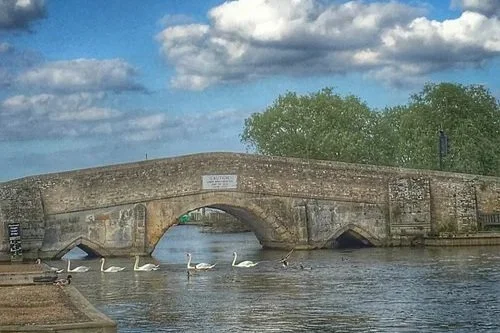
The setting encourages people to settle in for a few nights instead of treating the area as a quick stop. An early walk along Ranworth Broad before the visitor boats arrive feels completely different from the middle of the afternoon. Potter Heigham, with its historic bridge and riverside paths, stays busy without feeling overwhelming, while Ludham remains one of the quieter villages nearby.
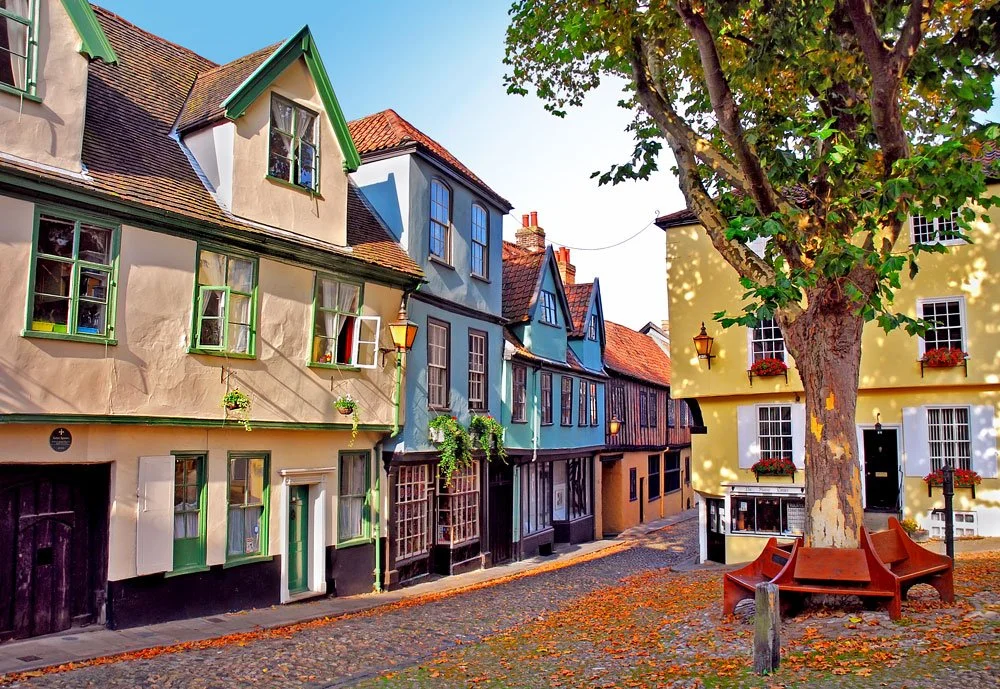
Accommodation here also makes it easy to dip into Norwich for a few hours. The market beneath the castle, Elm Hill, and the lanes around Tombland provide a change of scenery before returning to the water by evening. Many visitors end up spending as much time on the cottage terrace as they do exploring.
Bloomsbury as London's Most Character-Rich Neighbourhood
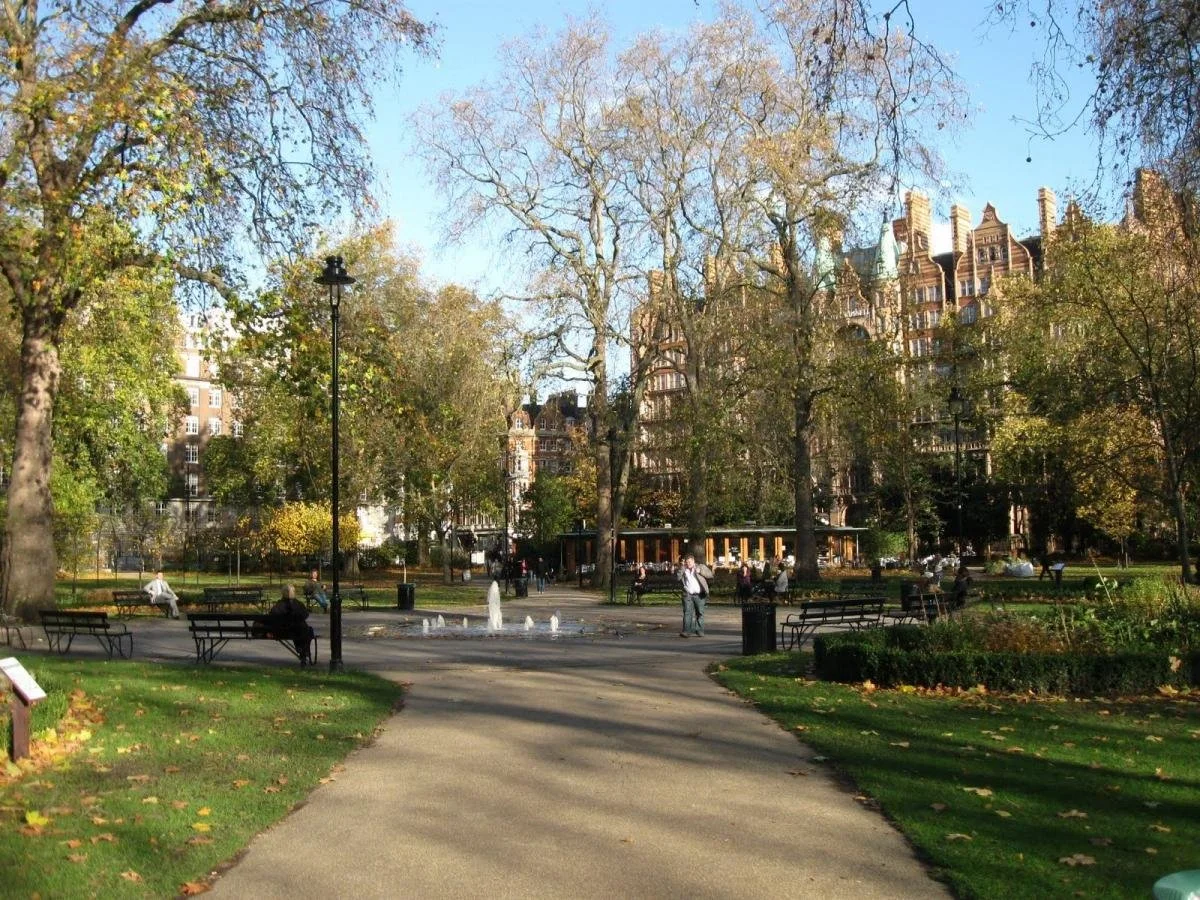
Bloomsbury has long appealed to UK visitors who want to stay in central London without feeling surrounded by the city's busiest tourist areas. Much of its accommodation sits inside Georgian terraces that have been converted into hotels or serviced apartments, giving the neighbourhood a very different feel from districts dominated by large modern properties. Russell Square becomes part of everyday life, with people cutting across the gardens on their way to work or stopping on a bench before heading out again.
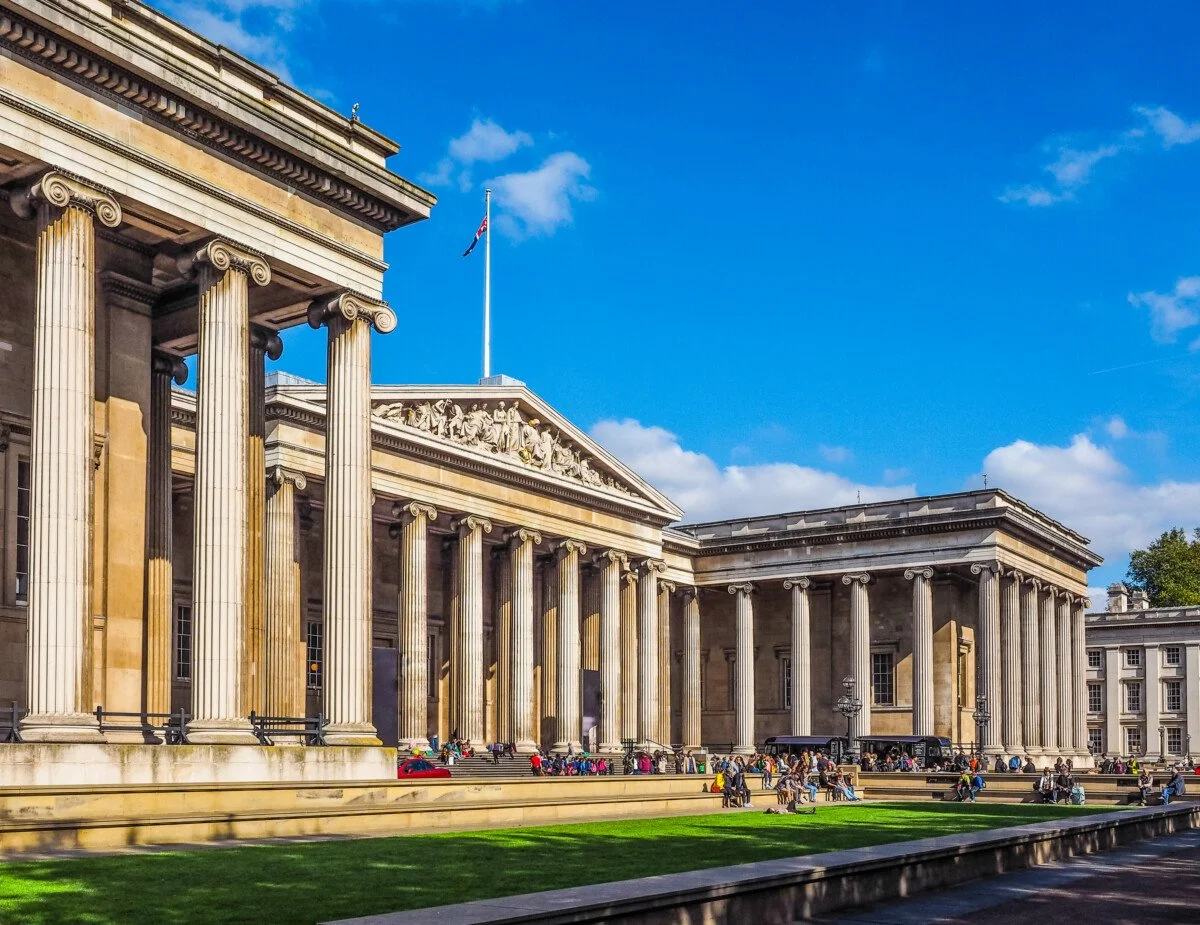
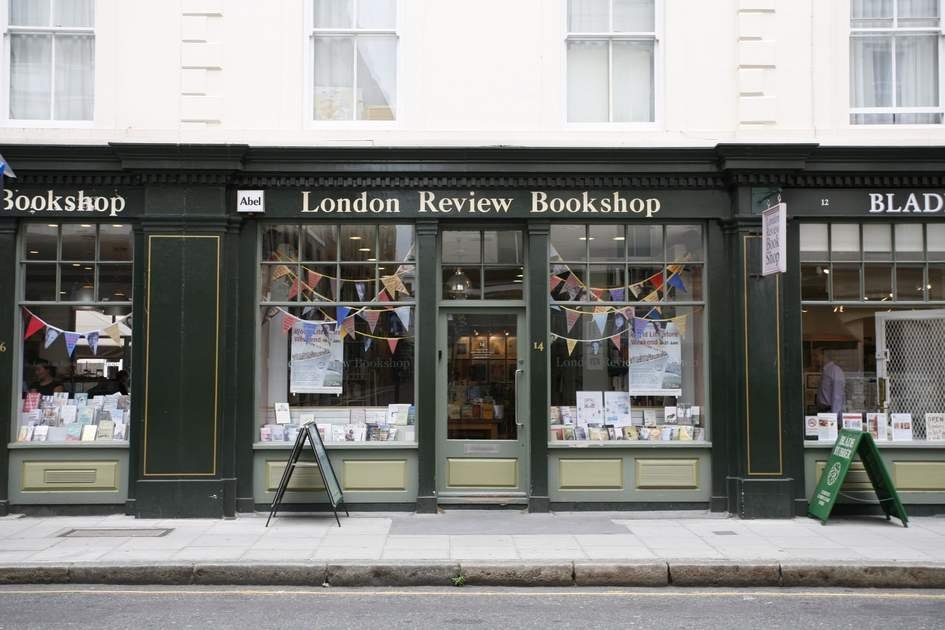
Staying in one of the acclaimed Bloomsbury hotels places guests within walking distance of the British Museum, the Charles Dickens Museum, and the independent bookshops around Marchmont Street. Lamb's Conduit Street also has a local feel that's easy to appreciate during an early morning walk before the area gets busier.
It's the sort of neighbourhood where people often return to the same streets between sightseeing. A short wander through Gordon Square or the Brunswick Centre can fill an hour without feeling like another attraction to tick off.
The Lake District for Walkers and Outdoor Adventurers
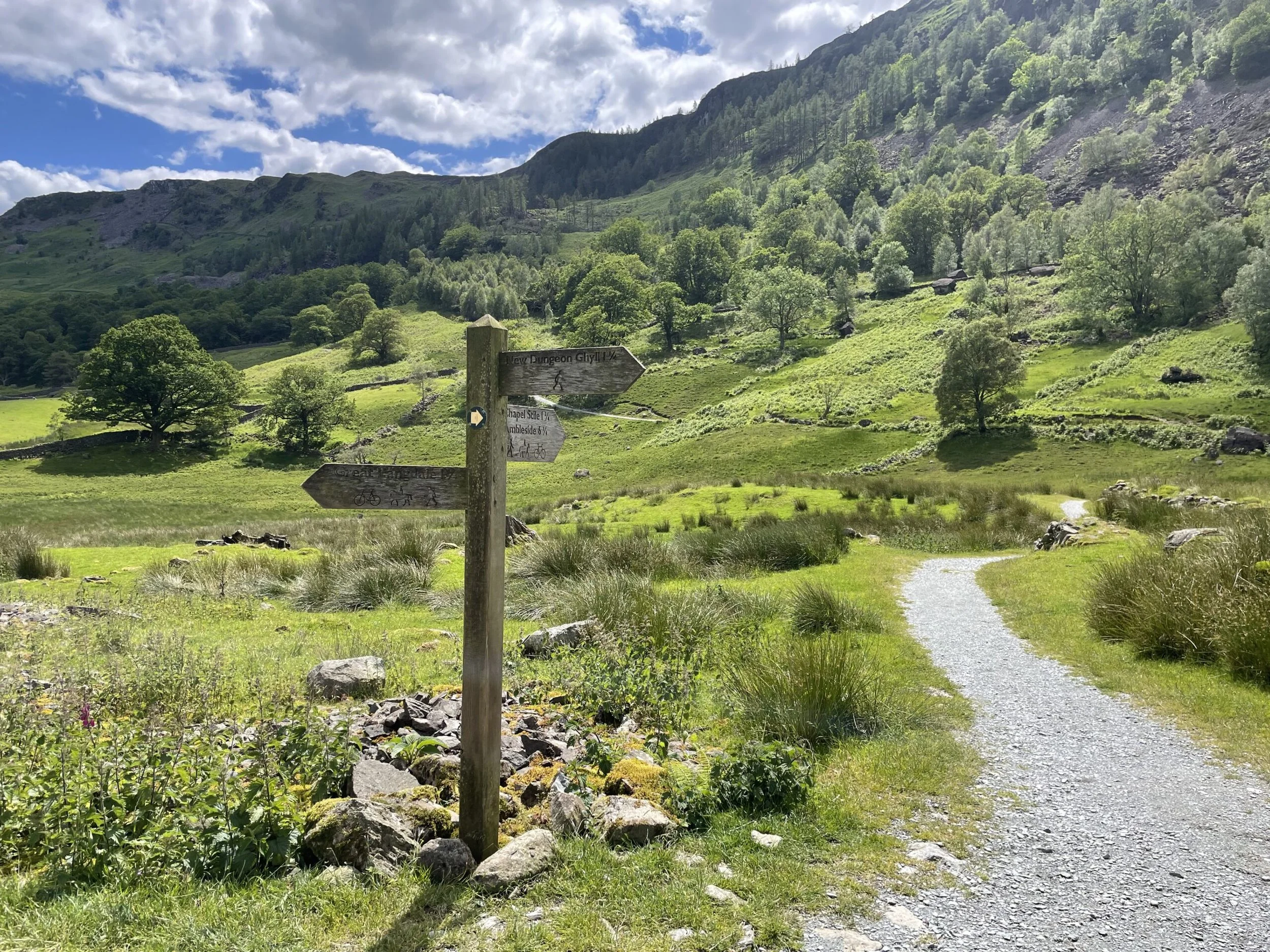
Accommodation in the Lake District has adapted to people who spend most of the day outdoors. Country inns, converted farmhouses and small guesthouses often include boot rooms, drying areas, and secure bike storage, while many hotels provide packed lunches or maps of nearby walking routes at reception. Those practical details matter after several hours on the fells.
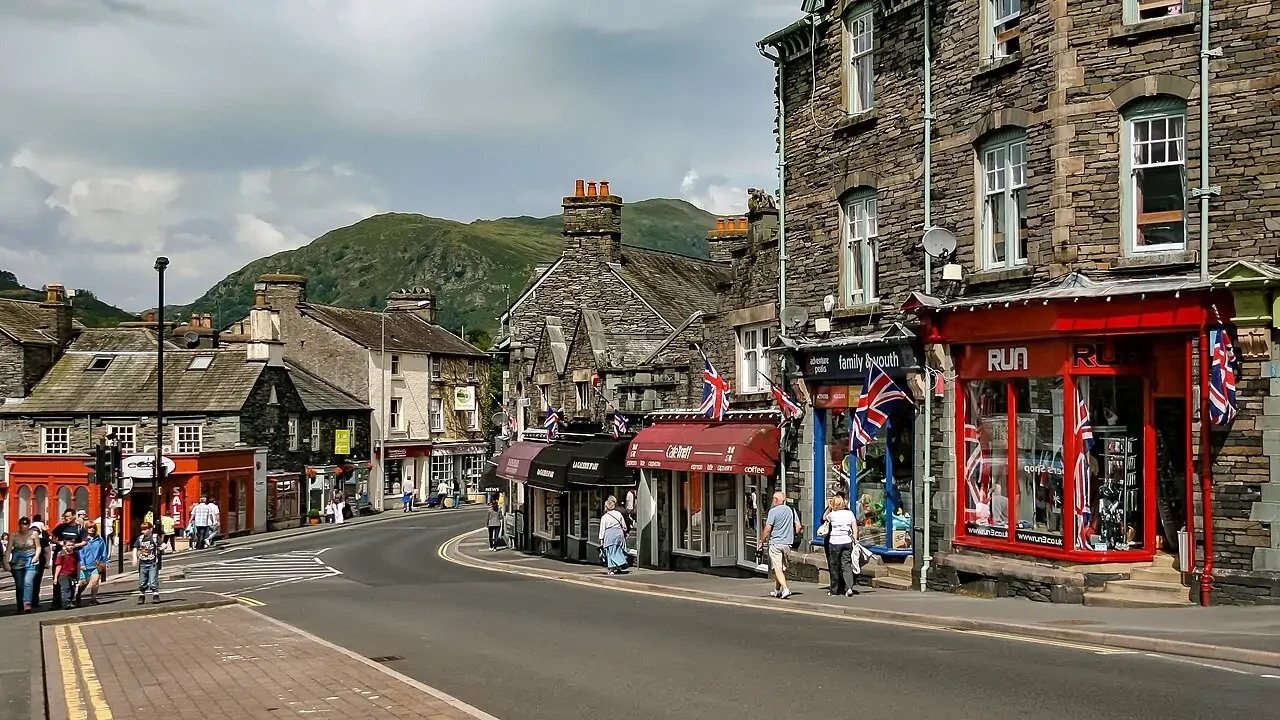
Keswick remains one of the most convenient places to stay, with Derwentwater, Hope Park, and Market Square all within walking distance. Around Ambleside and Grasmere, many properties occupy traditional stone buildings that have welcomed walkers for generations, giving visitors easy access to well-used footpaths without needing to drive each day.
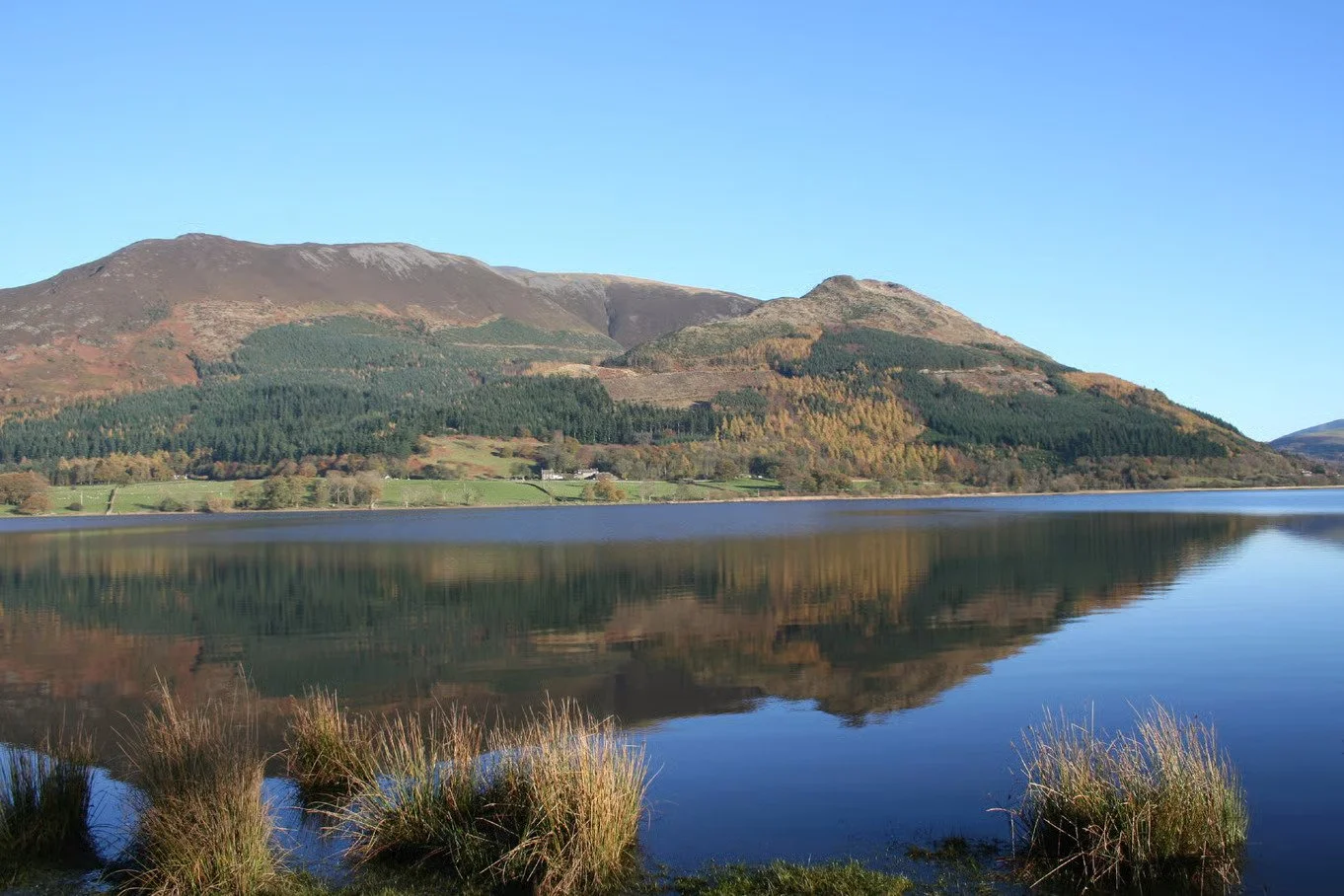
The weather can change quickly, even in summer, so it's common to see waterproof jackets drying in entrance halls by late afternoon. After a walk up Catbells or a longer day on Helvellyn, a comfortable room often becomes just as memorable as the landscape outside.
Cornwall for Dramatic Coastline and Quieter Crowds
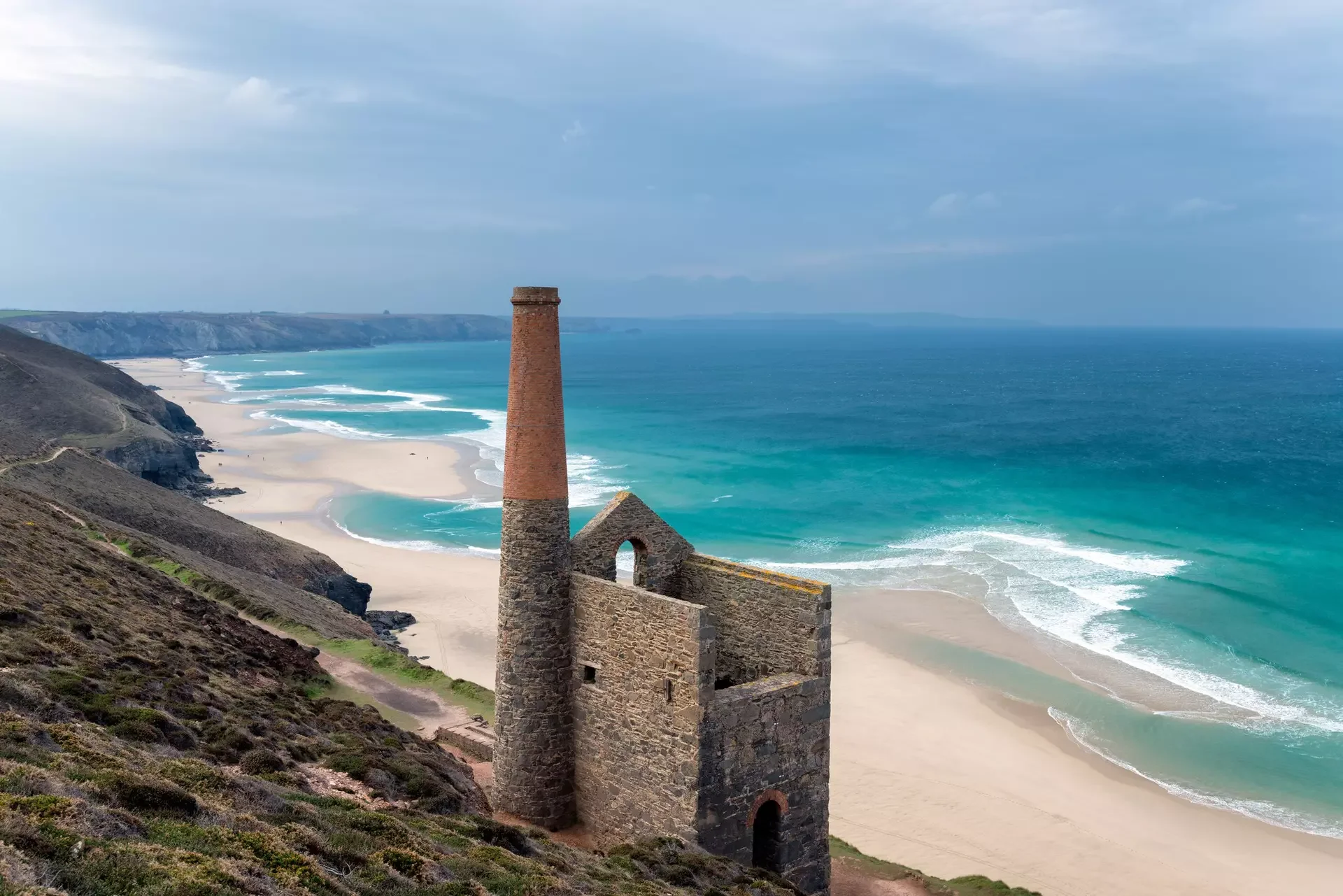
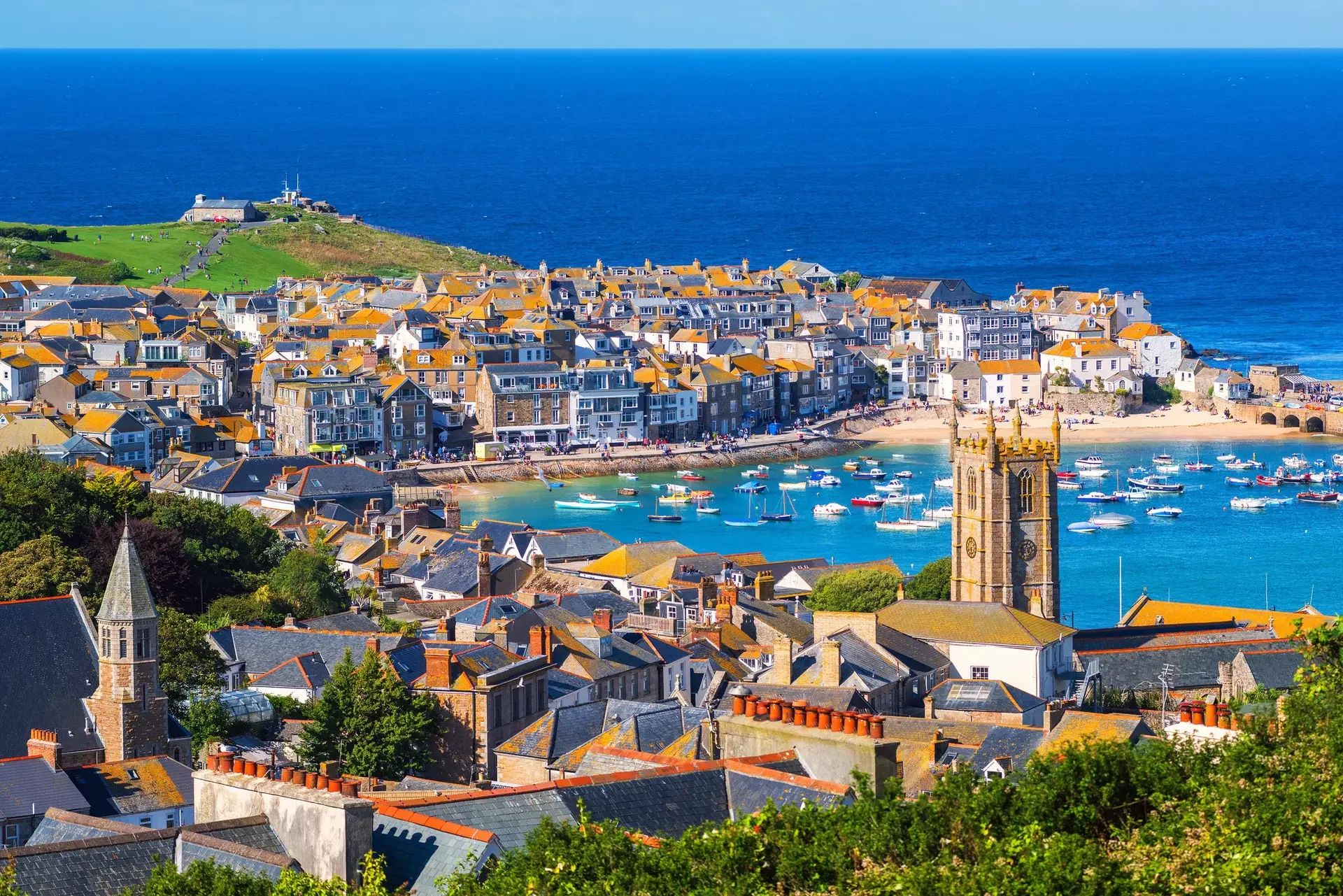
Cornwall's accommodation ranges from converted fishermen's cottages and harbour apartments to clifftop hotels overlooking the Atlantic. Where someone stays shapes the holiday experience. A cottage in Mousehole feels very different from a hotel above the coastline near St Ives, even though both are only a short drive apart.
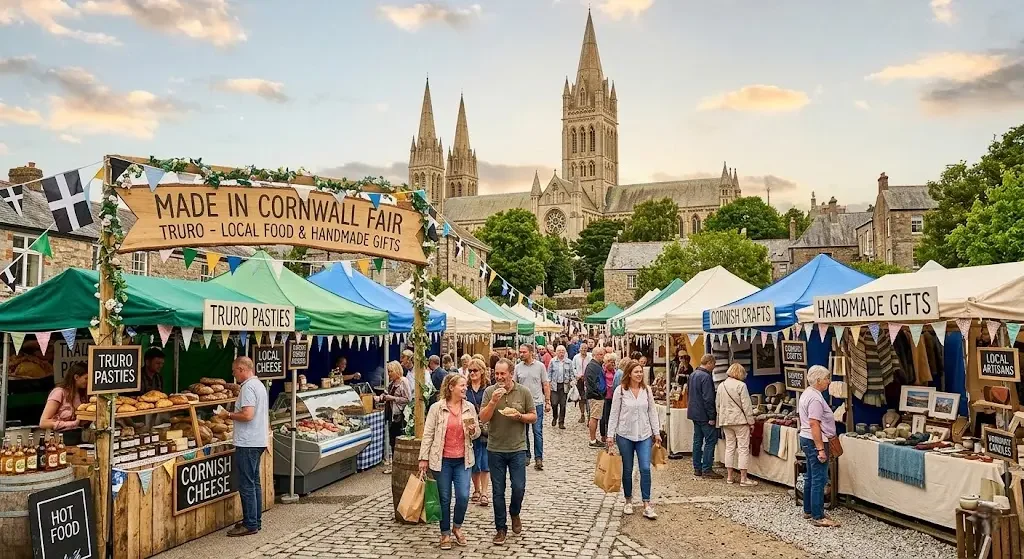
Smaller coastal properties remain especially popular because they put beaches, harbours, and walking paths within easy reach. Around Boscastle and Port Isaac, many buildings have been carefully restored while keeping their original character. Inland, Truro provides another option, with hotels and guesthouses within walking distance of Lemon Street, the cathedral, and the city's covered market.
The South West Coast Path passes through some of Cornwall's most recognisable scenery, and plenty of accommodation sits close enough for guests to join it without moving the car. By evening, harbour walls and cottage gardens often become the places where people spend the last hour of the day.
Which accommodation model wins the UK traveller over?
There isn't a single answer because the appeal lies in the variety. A woodland cabin in the Highlands, a waterside cottage on the Broads, a Georgian hotel in Bloomsbury, or a guesthouse beside the fells all create very different experiences, even within the same country.
That range continues to shape domestic tourism across the UK. People are choosing places to stay that match the type of break they have in mind, whether that's a few days by the coast, a walking holiday, or a city escape.
Accommodation has become more than a practical booking. For many UK staycations, it's one of the main reasons a destination makes the shortlist in the first place.